Are You Saved?
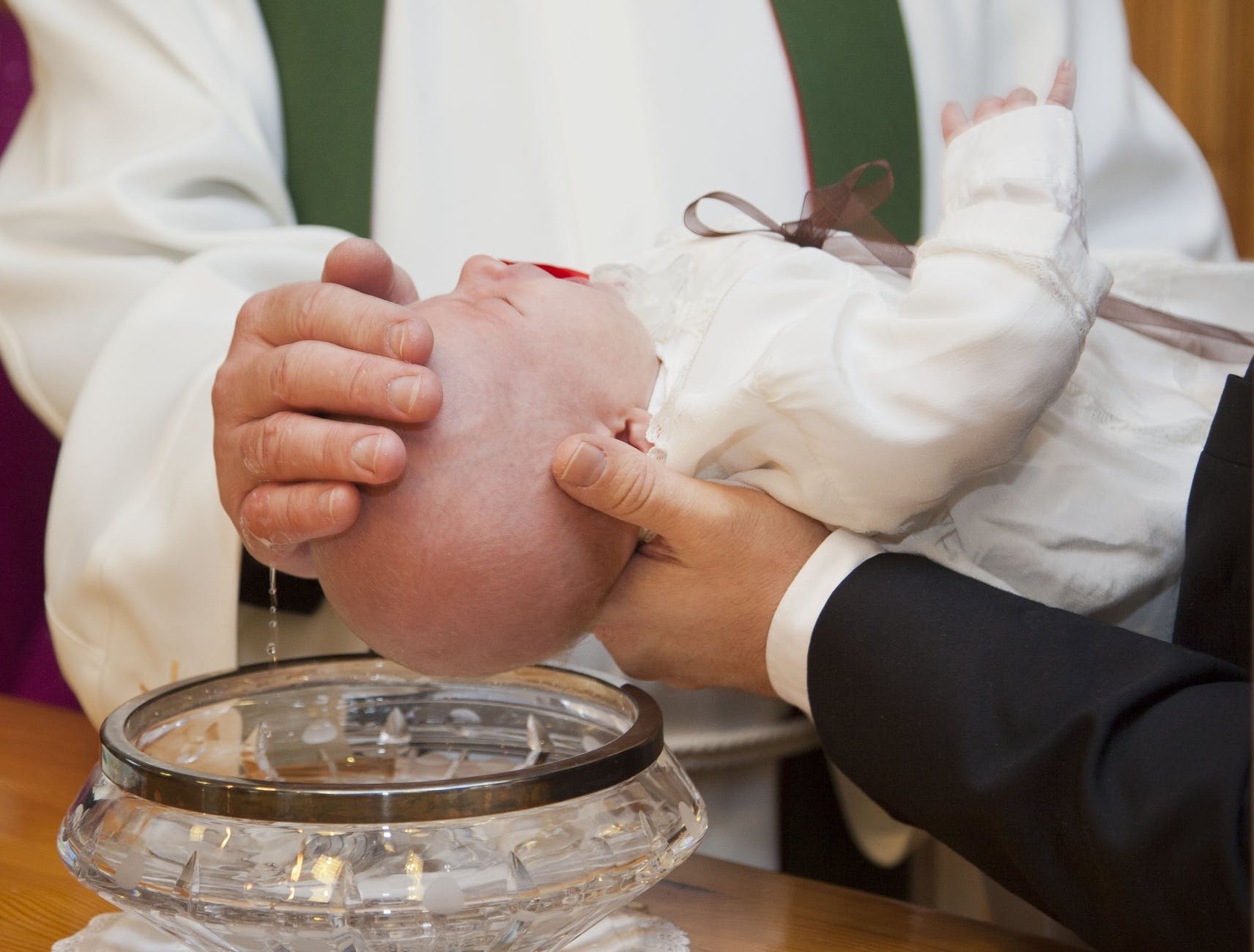
This is the question I was asked as I opened my front door to a smiling man from a Protestant church. I admired his courage in going door to door and his obvious love for God. He expected a yes or no answer to his question, but he came to a Catholic home, and the answer is much more complex. Just as there are differences in language between Americans and our friends across the pond (for example, we say “backyard” and they say “garden”), there are also differences in language between Catholics and Protestants that have evolved over the last 500 years. Many of these differences come from differences in theology, so I will begin here. Protestant (denominational and non-denominational) theology thinks of salvation as a singular point in time in which the Christian officially accepted Jesus Christ as his personal Lord and Savior. Protestants sometimes say “name it and claim it,” referring to the promises Jesus has made in scripture to those who follow Him. If Protestant theology on this topic can be thought of as a point on a line, Catholic theology is a ray (an origin point on a line continuing in one direction forever). For Catholics, salvation begins at Baptism. At Baptism one becomes a member of the Christian community, a member of the family of God. Original sin and personal sin are wiped away. We believe in one Baptism, so if a person is baptized “In the name of the Father, the Son, and the Holy Spirit” whether in the Catholic or Protestant faith, it is valid. Baptism is the beginning of the journey for Catholics. We learn and grow in our faith as we are nurtured by our families and our faith community. We read scripture, pray, attend weekly Mass, receive the sacraments of the Church, and do our best to live the Gospels. We take to heart Jesus’s own words, “Truly, truly I say to you, he who believes in Me will also do the works that I do,” (Jn 14:12) and “If you love Me, you will My commandments (Jn 14:15).” It is for this reason that the Catholic Church and its members founded the university system[1], started credit unions, founded hospitals and schools, and is active in ministering to the poor through many organizations such as St. Anthony’s Dining Room and the St. Vincent de Paul Society. We recognize that by serving others, we are serving Christ (Mt 25:40). Yet, all of us are human; we make mistakes, sometimes even ignoring the gift of faith, and all of us find ourselves in need of forgiveness. Catholics therefore speak of “conversion.” Conversion is the journey of trying to become more and more like Jesus as we put the Gospel into practice in our daily lives. The Beatitudes, from the Sermon on the Mount (Mt 5-7), are who we strive to become. For Catholics, we believe that all people have free will, so it is possible to reject the faith and choose to…